Introduction to Wellesley Outdoor Living
The trend of outdoor living spaces is flourishing, offering an opportunity to create an inviting and functional extension of your home. Wellesley Outdoor Living encapsulates this ethos, promoting a lifestyle that embraces nature and encourages relaxation, entertainment, and social interaction right in your backyard. This article delves deeply into the aspects of designing and planning a remarkable outdoor living space in Wellesley, revealing beneficial insights and practical considerations.
What is Outdoor Living?
Outdoor living refers to creating functional and aesthetic outdoor spaces that provide similar comforts and features of indoor spaces. This includes areas for dining, lounging, entertaining, and even cooking outdoors. The movement towards outdoor living aligns with the growing appreciation for nature, wellness, and combined indoor-outdoor experiences. Outdoor living is no longer merely a patio with some furniture; it involves integrated designs that create a seamless transition between the interior and exterior of a home.
Benefits of Wellesley Outdoor Living
The advantages of investing in a well-designed outdoor living area are numerous. Firstly, it significantly enhances your home's value. Prospective buyers often prioritize homes with appealing outdoor spaces. Secondly, outdoor living promotes well-being and a healthy lifestyle by encouraging activities like gardening, family gatherings, or simply spending quiet time outdoors. Additionally, such spaces can serve as a location for socializing, making it easier to host friends and family.
Design Elements to Consider
When planning your Wellesley outdoor living space, several essential design elements come into play:
- Layout: The arrangement of seating, dining, and cooking areas should flow naturally.
- Materials: Select durable, weather-resistant materials that enhance the aesthetics of your outdoor space.
- Landscaping: Incorporating plants and trees not only improves visual appeal but also provides shade and privacy.
- Lighting: Proper lighting enhances usability during the evening and creates ambiance.
Key Features of Wellesley Outdoor Living
Patios and Decks
Patios and decks are fundamental components of outdoor living spaces. They provide the groundwork for your outdoor activities, serving as dining areas, lounges, or entertaining spaces. The choice between a patio and a deck often hinges on personal preference and site conditions.
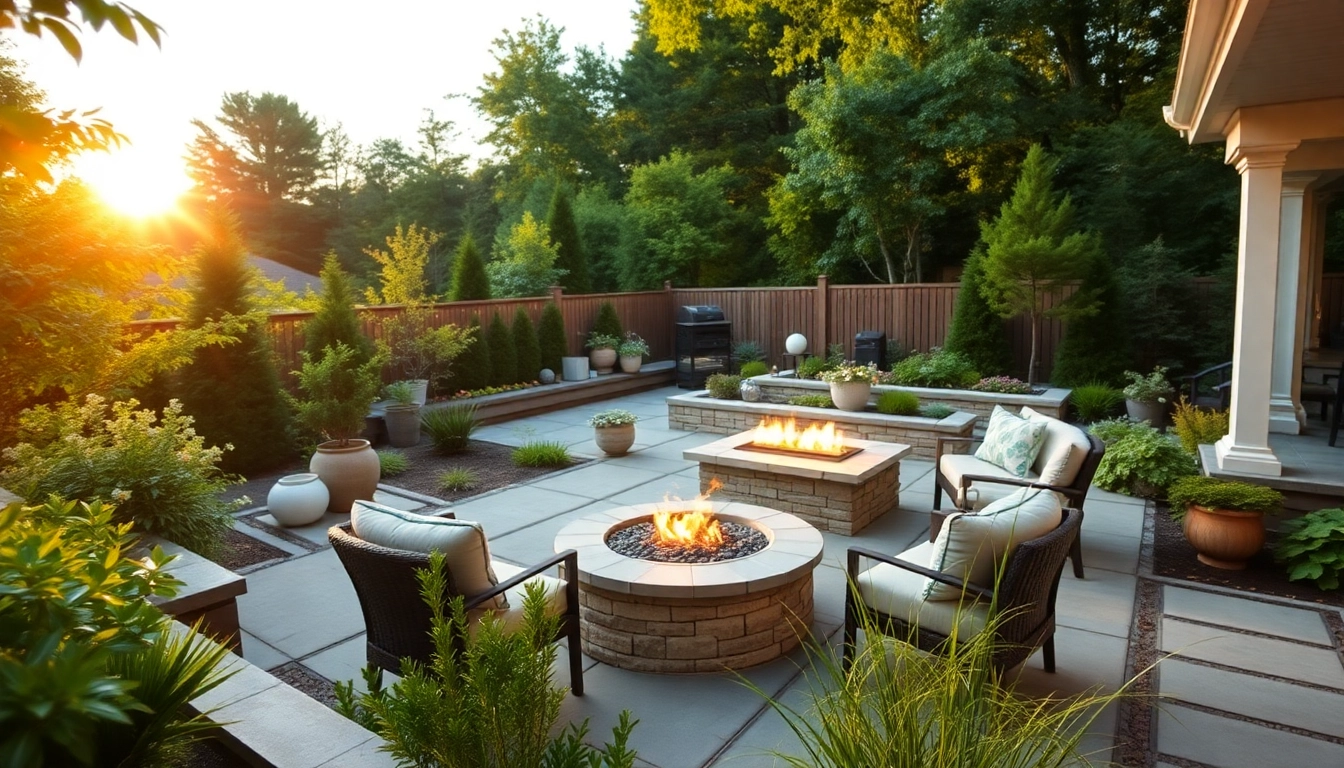
Patios are typically made from materials like stone or concrete, offering a stable surface for heavy furniture. Decks, constructed from wood or composite materials, provide a raised platform that can enhance views and air circulation. Either option can be designed with additional features such as seating walls or fire pits, fostering warmth and gathering spots.
Landscaping Best Practices
Effective landscaping enhances the harmony and function of your outdoor space. Native plants are a wise choice for Wellesley, as they adapt well to local climate conditions and require less maintenance. Including a mix of trees, shrubs, and seasonal flowers contributes texture and seasonal color.
Incorporating hardscapes like paths, retaining walls, or rock features can create visual interest and help delineate spaces. Moreover, ensuring proper drainage and soil health is crucial for plant longevity and overall landscape health.
Outdoor Furniture Considerations
Choosing the right outdoor furniture can dramatically influence your outdoor living experience. Comfort is paramount; therefore, select cushions and seating that offer support while weathering the elements. Materials such as teak, aluminum, and resin wicker not only provide durability but also enhanced aesthetic appeal.
It's essential to consider space during selection. Adequately sized furniture allows for movement and functionality without overcrowding, contributing to an inviting atmosphere that encourages use. Additionally, investing in protective covers can extend the life of your furniture significantly.
Planning Your Wellesley Outdoor Living Space
Budgeting for Your Project
A realistic budget is vital before commencing your outdoor living project. Understand the potential costs of labor, materials, and installations to prepare adequately. It can be beneficial to categorize expenses—allocating specific portions to landscaping, furniture, and construction. Always leave a contingency fund for unexpected expenses.
Factor in the longevity and maintenance costs of chosen materials. Higher-quality materials may have a larger upfront cost but result in savings over time due to reduced maintenance needs.
Researching Local Regulations
Before proceeding with outdoor living enhancements, familiarize yourself with local building codes and zoning laws. Regulations often dictate the height of structures, setback lines, and material use. Engaging with local authorities early can simplify the process and ensure compliance, avoiding future issues or fines.
In Wellesley, some changes might require permits; thus, consulting the local zoning office before beginning your project is recommended.
Selecting the Right Materials
In choosing materials for your Wellesley outdoor living space, consider factors such as durability, maintenance, and aesthetics. Natural stones, for instance, are robust and visually pleasing but may require sealing and upkeep. Alternatively, composite materials, particularly for decking, provide low maintenance while still delivering excellent performance.
Always prioritize materials that can resist local weather conditions. Innovation has led to weather-resistant options that do not compromise on style, providing an ideal foundation for an outdoor retreat.
Enhancing Your Wellesley Outdoor Living Experience
Lighting Solutions for Ambience
Effective lighting transforms outdoor spaces, allowing for extended use into the evening. Ambient lighting, such as string lights or lanterns, creates a warm and inviting atmosphere, while task lighting can illuminate dining or cooking areas.
Consider integrating solar-powered lights or low-voltage systems to provide eco-friendly options for nighttime visibility. Highlighting architectural features or landscape elements can also add dimensionality and visual interest after dark.
Incorporating Water Features
Water features, such as fountains or ponds, add tranquility and a sense of luxury to outdoor living areas. The sound of flowing water can create a relaxing ambiance, while a well-placed pond can serve as a habitat for local wildlife, enhancing biodiversity.
While planning for water features, consider the size relative to your space, maintenance requirements, and your personal aesthetic preferences. A small fountain may suffice for a cozy garden nook, whereas a larger pool can become the focal point of an expansive yard.
Outdoor Cooking Options
Outdoor cooking options have expanded significantly, allowing homeowners to enjoy culinary experiences al fresco. Grills, pizza ovens, or fully equipped outdoor kitchens can elevate both cooking and dining experiences.
When designing an outdoor kitchen, prioritize the kitchen workflow—Ensure that preparation, cooking, and serving areas flow logically. Materials used in construction should withstand various weather conditions, ensuring functionality throughout the seasons.
Maintenance Tips for Your Outdoor Space
Seasonal Care for Landscaping
Maintaining your outdoor living space requires seasonal attention to ensure that plant life remains vibrant and healthy. Tasks such as pruning, fertilizing, and mulching should be conducted regularly.
In spring, focus on preparing soil for planting and addressing any winter damage. Summer maintenance may involve watering and managing growth, while fall tasks should target leaf clearance and winter preparation for plants. Winter care, particularly for evergreens and perennials, is necessary to prevent damage during cold months.
Furniture Preservation Techniques
To maintain outdoor furniture longevity, regular cleaning is essential. Use mild soap and water to cleanse surfaces, and check for signs of wear, such as rusting or fading, particularly for metal or synthetic pieces.
Using protective covers can protect your furniture from the elements when not in use. Additionally, consider bringing cushions indoors during inclement weather to avoid moisture damage.
Routine Cleaning Essentials
Routine cleaning is vital for preserving the aesthetic appeal and durability of your outdoor space. Sweep patios and decks regularly to prevent dirt build-up. For surfaces, consider pressure washing once a year to remove stubborn stains and mildew.
Inspect your landscaping for weeds or pests regularly, taking proactive measures to keep your plants healthy. A little attention throughout the year can yield significant dividends in the upkeep of your outdoor retreat.
FAQs
How can I enhance my outdoor living area?
Consider integrating comfortable seating, adequate lighting, and vibrant plants to create a cozy atmosphere.
What plants are best for a Wellesley outdoor living space?
Native plants such as ornamental grasses and flowering perennials are best as they thrive in local conditions.
How can I create privacy in my outdoor space?
Use tall plants, decorative screens, or pergolas to provide visual barriers while enhancing the aesthetic appeal.
What is the best way to maintain outdoor furniture?
Regular cleaning and using protective covers during inclement weather can significantly prolong furniture life.
Should I consider a professional for my outdoor living project?
Hiring a professional can provide expertise in planning, design, and execution, ensuring a successful transformation.