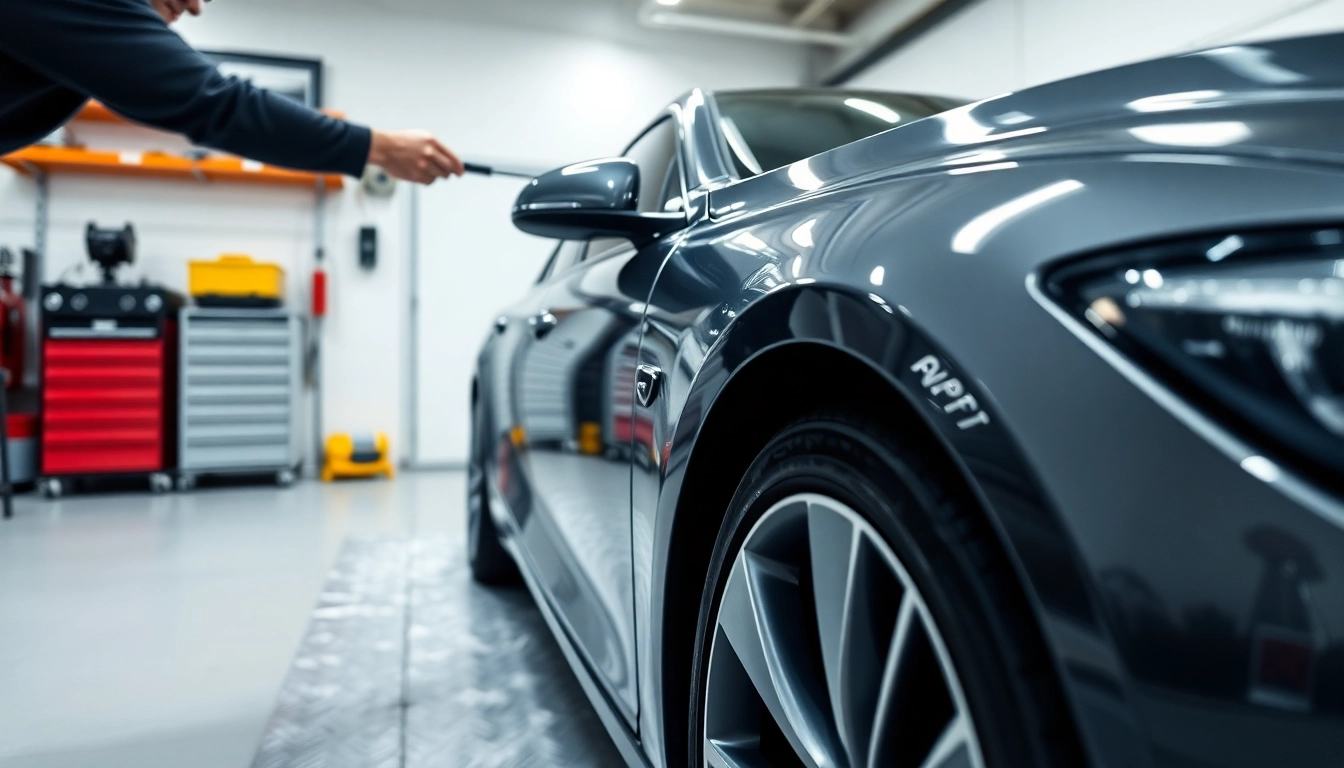
Understanding PPF Winter Road Salt Protection
As winter approaches, many vehicle owners find themselves facing a critical challenge: protecting their vehicles from the damaging effects of road salt. Road salt, while effective for melting ice and improving traction, poses a significant risk to your vehicle's paint and metal surfaces. This is where Paint Protection Film (PPF) comes into play, offering robust solutions for maintaining your vehicle's aesthetic appeal and structural integrity. Utilizing PPF winter road salt protection can dramatically extend the life of your vehicle's exterior by providing an effective barrier against harsh winter elements. From understanding how PPF works to its benefits, application, maintenance, and common challenges, this article will cover everything you need to know about protecting your vehicle in winter months.
What is PPF?
Paint Protection Film (PPF) is a transparent, durable polymer film that is applied to the exterior surfaces of a vehicle to protect its paint from various environmental contaminants. Often referred to as a clear bra, PPF acts as an invisible shield, providing a barrier against scratches, chips, stains, and other forms of damage that can occur due to everyday wear and tear.
Made from high-quality thermoplastic urethane, PPF is designed to absorb the impact of debris that might otherwise chip or scratch the surface of your vehicle's paint. When properly installed, PPF is virtually undetectable, maintaining the aesthetic appeal of your vehicle while offering unmatched protection.
Importance of Road Salt Protection
Road salt is commonly used in colder regions to de-ice roads, making driving safer in snowy and icy conditions. However, it can be quite corrosive to vehicles. Salt can lead to rust and degrade the paint, causing irreversible damage over time. Consequently, protecting your vehicle from road salt during the winter months is essential for preserving its value and appearance.
By choosing to apply PPF specifically for winter road conditions, vehicle owners can significantly reduce the risk of salt-induced damage. This not only maintains the visual appeal of the car but also prevents costly repairs in the future.
How PPF Works Against Winter Elements
PPF serves as a formidable barrier against winter elements, including road salt, ice, and other harmful contaminants. Its unique self-healing properties allow minor scratches and scuffs to disappear over time when exposed to heat, thus maintaining a pristine appearance throughout the winter months.
When road salt settles on the car’s surface, it can sit there and cause damage if not addressed promptly. However, with PPF, the salt is less likely to penetrate the protective layer, mitigating the corrosive effects and making it easier to clean off contaminants without harming the paint underneath.
Benefits of Using PPF in Winter
Enhanced Durability
One of the standout features of PPF is its exceptional durability. When applied correctly, PPF can withstand rock chips, scratches, and the abrasive nature of winter road salt. Its robust structure ensures that it can endure various weather conditions, from heavy snow to slushy rain, maintaining its protective qualities for years.
Easy Maintenance
Maintaining the appearance of a vehicle during winter can be challenging, but with PPF, routine maintenance becomes a breeze. The film is designed to be resistant to staining and can easily be cleaned with regular washes. Furthermore, because PPF simplifies the cleaning process, less frequent waxing or polishing is needed, making it a more user-friendly option for busy car owners.
Cost-Effectiveness Over Time
While the initial investment in PPF might seem significant, it proves to be cost-effective over the long haul. By preventing damage from winter elements, vehicle owners can save substantially on repair costs associated with paint touch-ups and rust treatment. Moreover, maintaining the vehicle’s exterior can lead to higher resale value, ensuring that the investment in PPF pays off when it’s time to sell.
Application Process for PPF
Preparing Your Vehicle
Before applying PPF, proper preparation is crucial. Start by thoroughly washing your vehicle to remove any dirt, grime, or contaminants. Make sure to dry the surface completely before beginning the application process. Additionally, inspect for any existing damages to the paint that may need addressing beforehand, as PPF will not repair these issues.
Steps in the Application Process
1. Surface Cleaning: Once your vehicle is clean and dry, conduct a final wipe down to ensure no contaminants remain.
2. Cutting the Film: Measure and cut the PPF according to the vehicle parts where it will be applied. Precision is key to ensure a perfect fit.
3. Application: Use a spray solution (usually a mild soap mixture) to aid in positioning the film on the surface. After placing it, use a squeegee to eliminate air bubbles and secure the film.
4. Healing: Allow some time for the film to settle. If any bubbles remain, they should dissipate, especially when exposed to heat.
Post-Application Care Tips
After successfully applying PPF, it’s important to follow specific post-care tips: - Avoid washing the vehicle for at least 48 hours to allow the film to properly bond. - Regularly inspect the film for any issues or lifting edges, which can be corrected promptly. - Clean the surface using pH-balanced car washes and soft microfiber cloths to maintain the film's clarity and effectiveness.
Common Challenges and Solutions
Dealing with Road Salt Damage
Despite the protective benefits of PPF, road salt can still cause issues if ignored. Regular washing is essential during winter months to prevent the accumulation of salt and dirt. If salt remains on the film for too long, it can begin to affect its adhesive properties.
In case of any visible damage, ensure immediate cleaning and inspect the film for signs of wear. Small repairs often can be made without needing to replace the entire film.
PPF Installation Mistakes
Mistakes during installation can compromise the effectiveness of PPF. Common errors include not properly cleaning the vehicle beforehand or applying the film in high temperatures, which can lead to bubbles and poor adhesion.
To avoid these mistakes, always follow the manufacturer’s guidelines carefully. Consider consulting with professional installers if unsure about tackling the installation yourself.
Maintaining PPF Effectiveness
Maintaining the effectiveness of PPF during winter involves regular cleaning and inspections. Avoid abrasive cleaners and tools that can scratch the film. Moreover, be attentive after winter storms when road salt is most prevalent. Regularly washing the vehicle—especially the undercarriage—and waxing the PPF can contribute to its longevity and performance.
FAQs About PPF Winter Road Salt Protection
How long does PPF last?
PPF can last anywhere from 5 to 10 years, depending on its quality and maintenance practices. Other factors, such as environmental conditions, also impact its longevity.
Can I wash my car after PPF application?
It's recommended to wait at least 48 hours after PPF application before washing your car. After that, routine washes are encouraged to remove contaminants effectively.
Is PPF visible on my car?
PPF is designed to be transparent and should not be noticeable once installed. Quality installations maintain the vehicle's original aesthetics while providing protection.
Can PPF be removed?
Yes, PPF can be safely removed without damaging the underlying paint. It’s best to consult a professional for removal to prevent issues and ensure a clean transition.
How does PPF handle extreme weather conditions?
PPF is designed to endure extreme weather conditions while protecting the vehicle underneath. Its durable composition allows it to resist temperature fluctuations and UV exposure.