Understanding Modern Lighting Styles
In today’s world of interior design, lighting plays a crucial role in shaping the ambiance and functionality of a space. When it comes to decorating your home, it's essential to Shop ModernLighting that aligns with your personal aesthetic and functional needs. But what exactly defines modern lighting, and how can you utilize it effectively? Let's delve into the essentials.
Defining Modern Lighting Definitions
Modern lighting encompasses a variety of styles that are characterized by clean lines, minimalistic designs, and innovative technologies. It often integrates contemporary trends, focusing not just on aesthetics but also on functionality. Key features may include geometric shapes, a blend of materials like metal and glass, and fixtures that emphasize natural light. Furthermore, these designs cater to various environments, from residential homes to commercial spaces, highlighting versatility and creativity.
The Importance of Functionality in Design
Functionality is a critical aspect of modern lighting, making it more than just a decorative element. Well-designed lighting enhances the usability of a space, supporting daily activities such as cooking, reading, and entertaining. Task lighting, ambient light, and accent light can all work in harmony to create a well-balanced illumination solution. Rooms designed with specific lighting considerations can transform how they are utilized, leading to improved efficiency and comfort.
Popular Trends in Shop ModernLighting
Keeping up with the latest trends in modern lighting is both exciting and essential for homeowners and designers. Recent trends include:
- Industrial Chic: Emphasizing raw materials like exposed metal and Edison bulbs, this look combines functionality with a rustic charm.
- Smart Lighting: Integrating technology, smart lighting solutions allow control via apps or voice, catering to convenience and energy efficiency.
- Natural Materials: Wood and stone materials in fixtures bring a sense of warmth and connection to nature, fitting well in eco-friendly designs.
- Bold Colors: Leaving behind the monochromatic palette, colorful fixtures add personality and vibrancy to spaces.
Choosing the Right Lighting for Each Room
Choosing suitable lighting for each room is an art that combines aesthetics with practicality. Here’s a guide for selecting the perfect lighting for some essential spaces in your home.
Living Room Essentials: Warm and Welcoming
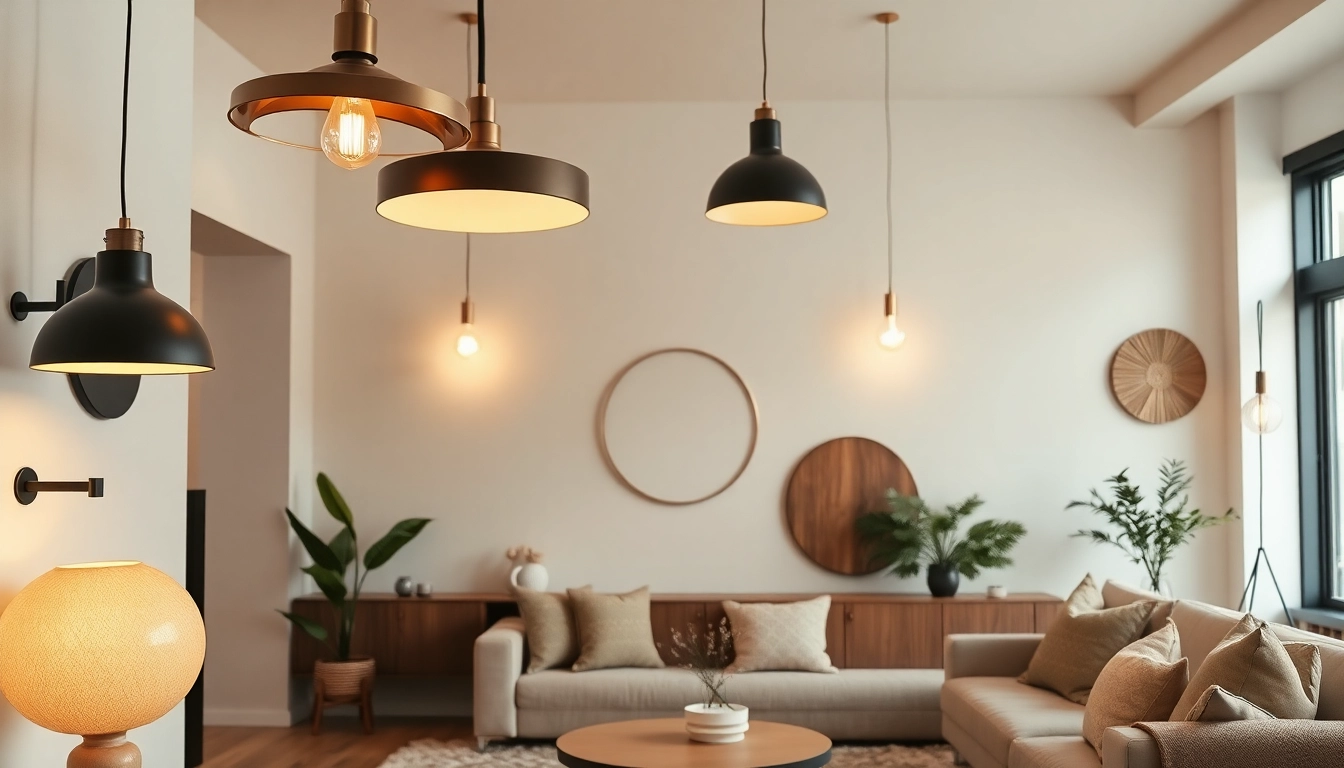
The living room is often the heart of a home, where family and friends gather to relax and socialize. The lighting should be warm, inviting, and versatile to accommodate various activities. Layered lighting works best here, combining ambient lighting such as ceiling fixtures with softer lamps and wall sconces that create a cozy atmosphere. Dimmable options are a fantastic choice for adjusting light levels according to the time of day or occasion.
Kitchen Lighting: Bright and Practical Solutions
Your kitchen calls for bright, functional lighting that enhances visibility for cooking and preparing food. Overhead fixtures should be combined with task lighting in key areas, such as under-cabinet lights that illuminate work surfaces. It’s also essential to consider fixtures that can withstand humidity, ensuring long-lasting performance. Choosing LED lighting options can also enhance energy efficiency in this frequently used space.
Bedroom Lighting: Creating a Relaxing Atmosphere
The bedroom should be a sanctuary of tranquility, and lighting plays a pivotal role in achieving that ambiance. Soft, diffused light is crucial here; think about bedside lamps with warm bulbs or built-in dimmers to control brightness levels. Accent lighting can also add a dimension of warmth, such as wall-mounted sconces or soft fairy lights integrated into shelves. Natural light should be maximized with lighter window treatments that allow sunlight in without compromising privacy.
Guidelines for Effective Lighting Placement
Effective lighting placement can significantly enhance the functionality and aesthetics of your space. Understanding the principles of lighting design is vital for achieving optimal results.
Layering Light: Ambient, Task, and Accent
Layering light is a fundamental concept in effective lighting design, combining three primary types: ambient, task, and accent. Ambient lighting provides generalized illumination, creating overall brightness in the space. Task lighting is focused and designed for specific activities such as reading or cooking. Accent lighting draws attention to particular features, like artwork or architectural elements. Balancing these types can create dynamic and adaptable environments.
Height and Scale: Finding the Perfect Fit
When selecting fixtures, considering the height and scale is critical to maintaining proportions in a room. For instance, high ceilings may benefit from larger chandeliers, while low ceilings might feel cramped with overly large fixtures. Ensure that wall sconces are mounted at eye level for optimal effect, and use pendant lights at varying heights to add visual interest. Measurements are crucial—always consider the dimensions of both the space and the lighting fixture.
Using Natural Light to Enhance Design
Natural light can dramatically enhance the design of a room. Positioning mirrors strategically can help reflect light around the space, effectively amplifying brightness. Use window treatments that allow for maximum light infiltration while providing privacy. Skylights or large windows are excellent features that invite natural light, making rooms feel more open and inviting.
Energy Efficiency and Sustainable Choices
As our awareness of environmental issues grows, so does the importance of making energy-efficient choices in lighting. Here’s how to ensure your lighting selections align with sustainable practices.
Understanding Energy Rating Systems
Energy ratings are crucial for understanding the efficiency of lighting fixtures and bulbs. Look for products with ENERGY STAR ratings or similar certifications that indicate they meet energy efficiency standards. This helps in minimizing energy consumption while maintaining optimal performance, and can also lead to cost savings on electricity bills.
LED vs. Traditional Bulbs: What to Know
LED bulbs have revolutionized the lighting industry with their long lifespan and energy efficiency. While traditional incandescent bulbs may offer a warm glow, they consume significantly more energy and have a shorter lifespan. Opting for LED lighting can reduce energy use drastically while providing the flexibility of color temperature and dimming options, making them an ideal choice for modern homes.
Sustainable Materials in Modern Lighting
Choosing fixtures made from sustainable materials contributes to a reduced environmental footprint. Look for products made from reclaimed wood, recycled metals, or sustainable resources like bamboo. These not only offer unique aesthetics but also promote a responsible approach to home design. Incorporating such fixtures adds an eco-conscious element to your décor while supporting sustainable practices.
FAQs on Shop ModernLighting
What types of bulbs are best for modern lighting?
LED bulbs are ideal due to their energy efficiency, longevity, and variety of color temperatures. They are versatile for any modern lighting application.
How do I determine the right size fixture for my room?
Measure the room dimensions and consider the scale of other furniture. A general rule is to sum the room width and length in feet, using that number in inches for the fixture diameter.
Can modern lighting improve home value?
Yes, stylish, energy-efficient lighting can enhance aesthetics, functionality, and appeal, contributing positively to a home’s overall value.
What are the latest trends in modern lighting?
Current trends include smart lighting, natural materials, bold colors, and industrial designs, focusing on both style and functionality.
How often should I replace my lighting fixtures?
It depends on the type and quality of the fixtures. Generally, inspect them every few years; LED fixtures can last over a decade, while others may need replacement sooner.