
Stunning Visual Storytelling: Mastering Your Journey as a Destination Photographer
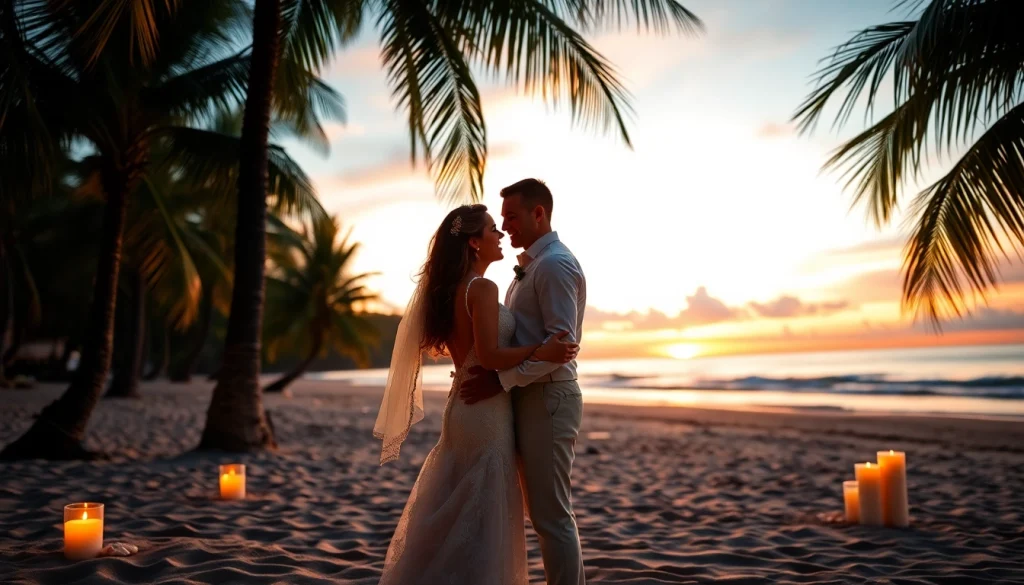
Introduction to Destination Photographer
The world of photography is vast, yet few niches are as captivating or rewarding as that of a Destination photographer. This role encompasses not just a skill for capturing stunning visuals, but also an innate ability to tell stories through imagery while traveling to unique locations. Whether documenting weddings, family vacations, or corporate events, destination photographers bring a unique perspective that goes beyond mere documentation, allowing clients to relive their cherished memories through breathtaking images.
Understanding the Role
A destination photographer holds a multifaceted role that extends beyond traditional photography. This position involves working closely with clients to understand their vision and preferences, often in unfamiliar locales. Consequently, destination photographers must not only be skilled in photography but also excel in customer service, communication, and project management. Building rapport with clients is essential, as these personal connections are vital for capturing authentic moments. Furthermore, many destination photographers also become travel planners of sorts, recommending locations and helping design the shoot schedule around local attractions, light conditions, and personal interests.
Importance of Location
The essence of destination photography lies in its diverse settings. From the serene beaches of the Caribbean to the breathtaking mountain ranges of the Alps, each location tells its own story and contributes to the narrative captured in photos. Choosing an appropriate location requires a deep understanding of the desired aesthetic the client seeks. Factors such as the time of year, local culture, and even weather conditions can drastically influence the outcome of a shoot. Successfully navigating these elements is crucial for creating a visually compelling portfolio and delivering a satisfying experience for clients.
Skills Required
To thrive as a destination photographer, certain skills are indispensable. These include:
- Technical Proficiency: Command of various camera systems, lighting conditions, and post-processing software.
- Creativity: An ability to visualize unique compositions and adapt to different environments and settings.
- Communication: Strong interpersonal skills to effectively engage with clients and understand their needs.
- Adaptability: The capability to think on your feet and adjust plans based on changing circumstances.
- Time Management: Planning and executing shoots efficiently to maximize both client satisfaction and personal artistic expression.
Essential Gear for a Destination Photographer
Having the right equipment can significantly influence the quality of the work a destination photographer produces. This includes not only the camera body but various accessories that enhance creative expression and technical capability.
Choosing the Right Camera
While there are numerous camera options available, the ideal choice for a destination photographer often balances functionality and portability. Full-frame DSLRs and mirrorless cameras are popular choices due to their superior image quality, versatility, and low-light performance. When selecting a camera, photographers should prioritize features relevant to their intended style of shooting—whether that be rapid burst mode for action shots or high dynamic range capabilities for landscapes.
Lens Options
The right lenses are arguably just as important as the camera itself. A varied lens collection allows for creative flexibility. Essential lenses for destination photographers include:
- Wide-Angle Lens: Perfect for capturing vast landscapes or large groups.
- Standard Zoom Lens: Offers versatility for various shooting conditions.
- Telephoto Lens: Ideal for capturing distant subjects or candid moments in events.
Ultimately, the choice of lenses will depend heavily on the types of subjects being photographed and the style of photography employed.
Additional Equipment
In addition to the camera and lenses, other equipment can enhance the photography experience:
- Tripods: While traveling to different locations, a sturdy tripod can provide stability for long exposures and landscape photography.
- Filters: Circular polarizers and neutral density filters can greatly improve image quality in various lighting conditions.
- Backup Storage: Hard drives and memory cards are essential to secure and protect valuable photos.
- Weather Protection: Rain covers and protective bags help keep gear safe from the elements.
Building Your Portfolio as a Destination Photographer
Creating a robust portfolio is essential for any photographer, particularly for those in a niche like destination photography. This portfolio demonstrates your unique artistic voice and capability to potential clients.
Curating Work Samples
When curating a portfolio, focus on diversity and quality. Include a variety of work that showcases different locations, styles, and subjects. Ensure the images are professionally edited, high resolution, and representative of your best work. Well-organized portfolios segmented by theme or location can help potential clients find inspiration and visualize how you can fulfill their needs.
Utilizing Social Media
Social media platforms like Instagram and Pinterest serve as powerful tools for destination photographers. Regularly posting stunning visuals, behind-the-scenes content, and engaging stories can help build a substantial following. Consider using relevant hashtags to attract a wider audience and encourage potential clients to engage with your work. Moreover, sharing testimonials and client experiences can significantly enhance credibility and attract more inquiries.
Networking with Vendors
Building relationships with local vendors—such as event planners, travel agents, and venues—can open doors to more opportunities. Networking can facilitate referrals and collaborations, which are invaluable in the destination photography niche. Attending industry events, joining photography groups, and participating in workshops can foster these connections and enhance your visibility within the community.
Marketing Strategies for Destination Photographer
In order to thrive as a destination photographer, a robust marketing strategy is essential. This strategy should leverage both traditional and digital platforms while uniquely branding your photography business.
Branding Yourself Effectively
A strong brand identity will set you apart in the competitive world of destination photography. Develop a cohesive visual style, a distinctive logo, and a consistent message across all platforms. Your website should clearly communicate your unique style and approach, making it easy for potential clients to understand what you offer. Consider sharing your story, vision, and mission as part of your brand, as this authenticity often resonates with prospective clients.
SEO for Your Photography Business
Search Engine Optimization (SEO) is critical for increasing your online visibility. Implement best practices such as using unique and descriptive title tags, ALT text for images, and maintaining a blog with relevant keywords. Regularly updating your website with high-quality content will help improve its ranking on search engines and attract targeted traffic to your photography site. Building backlinks from reputable sites can also aid in boosting authority and credibility.
Engaging with Your Audience
Engagement complements marketing efforts. Foster interaction with your audience through newsletters, social media discussions, and live Q&A sessions. Responding readily to inquiries and feedback will show potential clients that you value their input, fostering a more personal connection. Behind-the-scenes stories, client features, and personal adventures can make your content relatable and help cultivate a loyal community.
Common Challenges in Destination Photography
Like any profession, destination photography has its challenges. Being aware of these issues allows photographers to approach their work with effective strategies and confidence.
Managing Client Expectations
Clarifying expectations with clients is essential for a successful experience. Enforce open communication about what can realistically be achieved within the chosen location and timeframe. Share your creative vision while inviting client input to ensure everyone is aligned. Providing pre-shoot agreements that outline the services rendered, shooting itineraries, and deliverables can help mitigate misunderstandings.
Weather and Location Issues
Mother Nature can be unpredictable, and adverse weather can disrupt planned shoots. Having a backup plan is crucial. This may include scouting secondary locations or having flexible schedules that allow for rescheduling shoots based on weather conditions. Additionally, utilizing weather apps for forecasts and real-time updates can aid in making informed decisions about the shooting timeline.
Travel Considerations
Travel logistics can significantly impact the workflow of destination photography. From obtaining permits to navigating local customs, advance planning is necessary. Create checklists that include travel gear needed, local contacts, and important addresses to ensure smooth operations. It’s also wise to double-check travel arrangements, such as transportation and lodging, beforehand to minimize unforeseen issues.
Frequently Asked Questions
What defines a destination photographer?
A destination photographer specializes in capturing events, portraits, and landscapes in diverse locations away from the photographer’s base, often involving travel for assignments.
How can I market my destination photography services?
Utilize social media, optimize your website for SEO, network with local vendors, and create a distinctive brand identity to enhance visibility and attract clients.
Is it necessary to have extensive travel experience?
While beneficial, extensive travel experience is not required. Adaptability, research, and good planning can help navigate new locations effectively.
What gear do I need as a destination photographer?
Essential gear includes a reliable camera body, a selection of lenses, a sturdy tripod, filters, and backup storage devices for safety and versatility during shoots.
How do I handle client expectations for destination shoots?
Establish clear communication by discussing the vision, potential challenges, and creating agreements that outline expectations to align everyone’s goals.