
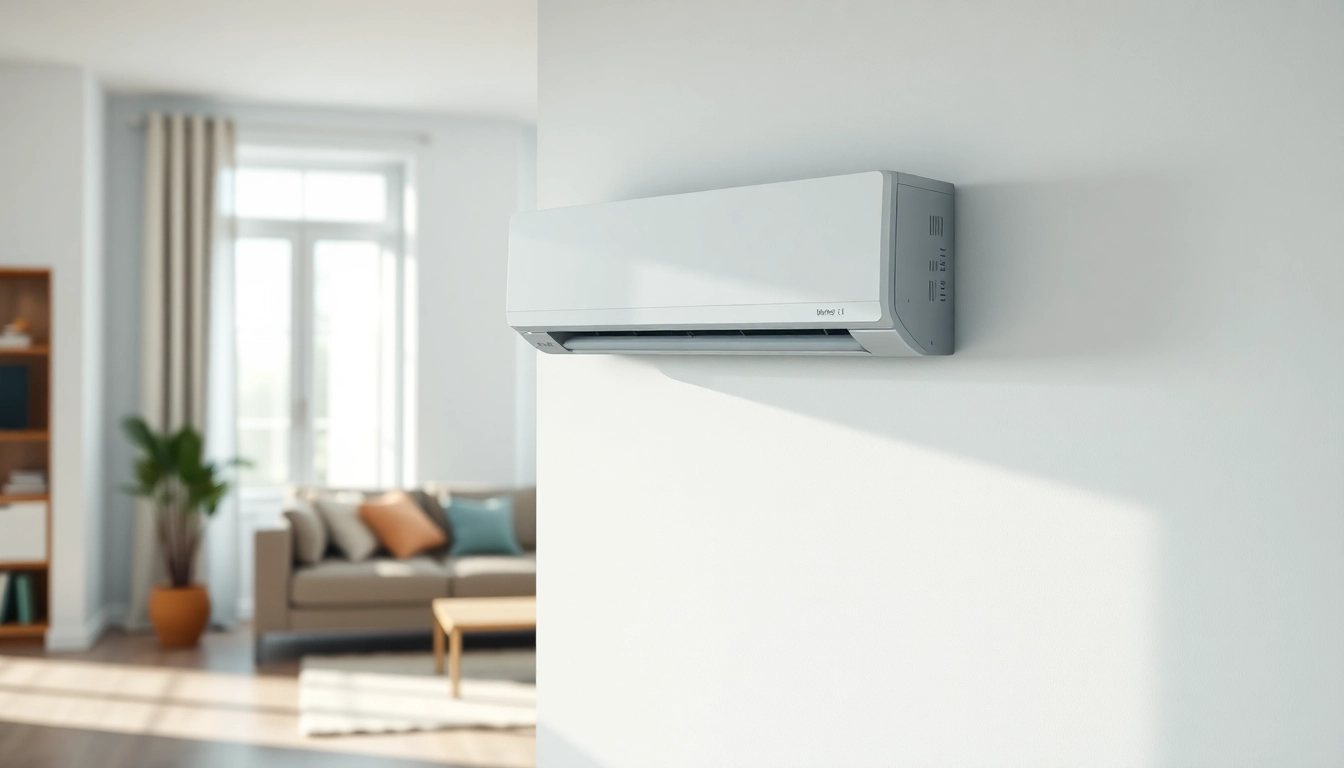
Understanding Mini Split AC Systems
What is a Mini Split AC?
A mini split AC, or mini-split air conditioning system, is a compact heating and cooling system that requires no ductwork. Mini split AC units consist of two main components: an outdoor condenser and an indoor air-handling unit. These systems are known for their energy efficiency and flexibility, making them an excellent choice for a variety of spaces, including single rooms, larger homes, or commercial settings. The mini split ac offers both cooling and heating capabilities, adapting to the needs of the environment seamlessly.
Components of Mini Split AC Systems
The mini split AC system is made up of several key components that ensure efficient operation:
- Outdoor Unit: This primary component houses the compressor, condensing coil, and fan. It’s responsible for expelling heat from the indoor unit.
- Indoor Unit: The indoor air-handling unit circulates cool air into the room. It contains an evaporator coil and a fan for distributing air.
- Refrigerant Lines: These insulated pipes connect the indoor and outdoor units, allowing the refrigerant to flow and facilitate heat exchange.
- Remote Control or Thermostat: Many mini split systems come with remote controls for convenience. Some may also feature smart technology for better temperature regulation.
How Mini Split AC Works
Mini split AC units function through a sophisticated process known as refrigeration. The evaporator coil in the indoor unit absorbs heat from the room air, causing the refrigerant to evaporate and transition into gas. This gas is then transported to the outdoor unit, where the compressor compresses it, releasing the heat outside. Afterward, the refrigerant returns to the indoor unit, completing the cycle. This process maintains a consistent and comfortable temperature while ensuring high energy efficiency.
Advantages of Installing a Mini Split AC
Energy Efficiency and Cost Savings
Mini split AC systems are widely recognized for their energy efficiency. They often operate at a higher SEER (Seasonal Energy Efficiency Ratio) rating compared to traditional air conditioning systems. By using inverter technology, mini split units can adjust their cooling output to match the cooling needs of the space, minimizing energy waste. This not only results in lower energy bills but also contributes to a reduced carbon footprint.
Flexible Temperature Control
One of the standout features of mini split AC systems is their ability to provide zoned cooling and heating. Each indoor unit can be controlled independently, allowing different rooms or areas of the home to maintain their desired temperatures without affecting others. This flexibility is perfect for households with different cooling preferences, facilitating comfort throughout the entire living space.
Enhanced Air Quality
Many mini split AC units come with advanced filtration systems. These filters help remove dust, allergens, and pollutants from the air, leading to improved indoor air quality. Regular maintenance of these filters contributes significantly to a healthier environment, benefiting occupants, especially those with asthma or allergies. By filtering the air, mini split systems not only cool the air but also promote overall wellness.
Selection Criteria for Mini Split AC
Capacity and Sizing Guidelines
When selecting a mini split AC, it’s crucial to choose the right capacity for your space, measured in BTUs (British Thermal Units). A unit that is too small will struggle to cool the room efficiently, while one that is too large can lead to short cycling, ineffective humidity control, and increased energy costs. A professional energy audit can help determine the ideal size based on factors like room dimensions, insulation, and climate.
Noise Levels and Efficiency Ratings
Noise levels are an essential consideration when choosing a mini split AC. Most units operate quietly, but the decibel levels can vary. Look for an AC with a low Noise Reduction Rating (NRR) for better comfort. Additionally, check the Energy Efficiency Ratio (EER) and the SEER ratings to ensure optimal performance and lower electricity costs. Aim for units with higher ratings to maximize efficiency.
Brand Reputation and Warranty
When investing in a mini split AC, brand reputation and warranty offerings are crucial. Reputable brands often have established reliability in their products and customer service. A comprehensive warranty can also provide peace of mind, covering parts and sometimes labor costs in case of failure. Researching customer reviews and seeking recommendations from trusted sources can aid in making an informed choice.
Installation Process for Mini Split AC
Preparation Steps Before Installation
Before installing a mini split AC, several preparatory steps should be taken to ensure success:
- Site Assessment: Evaluate the installation area to determine the best locations for the indoor and outdoor units.
- Tools and Materials: Gather necessary tools, including a drill, level, and refrigerant lines, as well as any additional accessories.
- Local Codes and Regulations: Check local building codes and regulations to ensure compliance, including necessary permits for installation.
Step-by-Step Installation Guide
Installing a mini split AC can be a straightforward process, but professional assistance is highly recommended for optimal results. However, if you’re inclined to do it yourself, follow these general steps:
- Mount the Indoor Unit: Select a high location on the wall that allows for proper air circulation and easy access for maintenance.
- Install the Outdoor Unit: The outdoor unit should be placed on a solid base, preferably elevated from the ground to avoid debris and water accumulation.
- Connect the Refrigerant Lines: Carefully connect the refrigerant lines between the indoor and outdoor units, ensuring no leaks.
- Electrical Connections: Make the necessary electrical connections, ensuring the circuit can handle the additional load.
- Testing the System: After installation, turn on the system to test functionality and ensure there are no leaks.
Post-Installation Checks and Maintenance
After the installation, conducting thorough checks is vital. Ensure every component functions correctly, and no refrigerant leaks are present. Regular maintenance is essential for longevity and efficiency. Simple tasks include cleaning the filters monthly, checking the refrigerant levels, and scheduling annual professional maintenance to check for any potential issues.
FAQs About Mini Split AC
What is the lifespan of a mini split ac?
A mini split ac typically lasts around 15-20 years with proper maintenance, extending its lifespan significantly.
How do I maintain my mini split ac?
Regularly clean filters, check for leaks, and schedule professional maintenance annually to ensure optimal performance.
Can a mini split ac reduce humidity?
Yes, mini split ac units efficiently control humidity levels while cooling the air, making spaces more comfortable.
Are mini split ac systems easy to install?
While DIY options exist, professional installation ensures optimal performance and efficiency, minimizing potential pitfalls.
What is the average cost of a mini split ac?
The cost averages between $2,000 to $5,000, including unit and installation, depending on the size and installation complexity.