
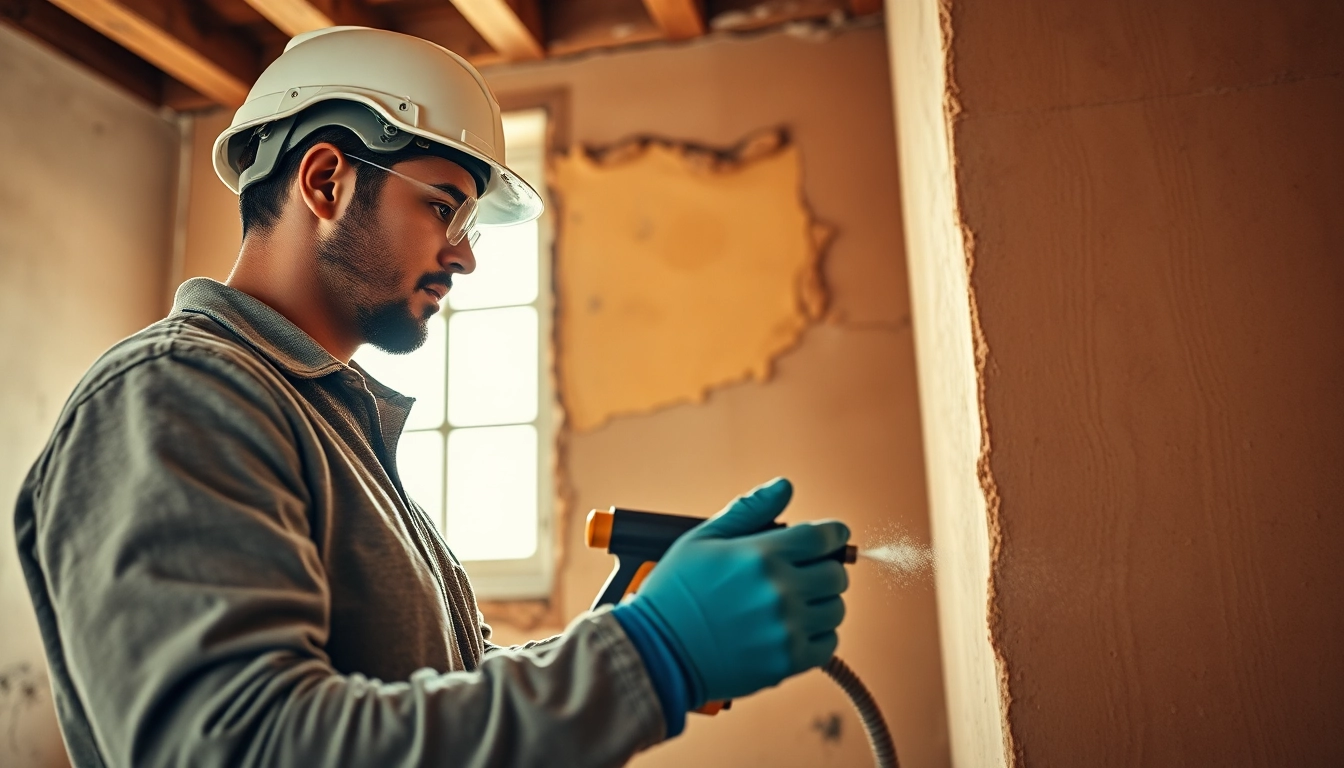
Understanding Spray Foam Removal
What Is Spray Foam?
Spray foam is a popular insulation material that is applied as a liquid and expands to form a solid layer upon curing. This type of insulation is often favored for its energy efficiency, soundproofing capabilities, and ability to fill tight spaces, making it ideal for sealing gaps in walls, roofs, and attics. However, while spray foam insulation is beneficial, there may come a time when removal is necessary due to various reasons such as damage, structural changes, or health concerns.
Why You Might Need Removal
There are several reasons homeowners might consider spray foam removal. Over time, the material can deteriorate, leading to potential air leaks and a decrease in energy efficiency. Additionally, improper installation can cause structural problems or even health issues due to off-gassing or exposure to chemicals. If you’re planning renovations, removing existing spray foam might also be essential to ensure accurate measurements and safety in new constructions.
Potential Risks of DIY Removal
Opting for DIY spray foam removal can be tempting due to potential cost savings. However, this approach carries risks. Untrained individuals may not fully understand the potential health hazards associated with chemicals found in spray foam and could be exposed to harmful substances without proper safety gear. Moreover, using incorrect tools or techniques can lead to damage to underlying surfaces, requiring costly repairs. It is often wise to consult professionals who know the nuances of safe and effective foam removal.
Key Factors Influencing Your Spray Foam Removal Quote
Size and Scope of the Project
The overall size of the area requiring spray foam removal plays a significant role in determining your spray foam removal quote. Larger spaces will naturally take more time and resources to clear, impacting labor costs. Contractors will assess not only the square footage but also the complexity of the job, such as multiple layers of foam or intricate architectural features that need careful handling.
Type of Spray Foam Insulation
Different types of spray foam insulation, such as open-cell and closed-cell foam, may require varied removal techniques. Closed-cell foam, typically denser and more rigid, often necessitates specialized removal tools and can take longer to safely extract. Understanding what type of spray foam is present facilitates accurate quoting, as more complex materials potentially increase the time and effort involved in the removal process.
Accessibility and Location
Accessibility plays a crucial role in estimating removal costs. Spaces that are hard to reach—such as tight crawl spaces, high attics, or confined areas—may require additional labor and specialized tools, leading to a higher overall quote. Moreover, local building codes and regulations may dictate additional considerations, such as permits, that could influence project costs further.
Preparing for Your Spray Foam Removal
Assessing the Area
Before proceeding with the removal of spray foam, it’s important to conduct a thorough assessment of the insulation area. Inspect for any damage to the surrounding structures, assess the type of spray foam, and check for possible moisture issues or mold growth. Identifying these factors beforehand allows for a more informed removal strategy and budget estimation.
Gathering Necessary Tools
Proper preparation includes gathering the right tools for spray foam removal. This may involve a variety of equipment, including utility knives, scrapers, heat guns, or even saws when access to deeper layers is necessary. Safety gear is also essential; contractors should wear protective eyewear, gloves, and respiratory masks to avoid inhaling toxins or irritating skin during the removal process.
Hiring a Qualified Professional
Given the complexity and risks associated with spray foam removal, hiring a qualified professional is highly advisable. Look for contractors with experience specifically in foam removal, as they will possess the necessary tools and knowledge to perform the job safely and efficiently. It’s also beneficial to check reviews and request quotes from multiple professionals before making a decision.
What’s Included in a Spray Foam Removal Quote?
Breakdown of Costs
A comprehensive spray foam removal quote should clearly outline all associated costs. Standard elements might include labor fees, disposal fees for the old foam material, and any additional costs for specialized equipment. A detailed breakdown allows homeowners to understand exactly what they are paying for and ensures transparency in the pricing process.
Timeframe and Labor Estimates
Your quote should also include estimated timeframes for the project, outlining how long the removal will take and any contingencies for unexpected issues. This helps in managing expectations and coordinating schedules—whether it’s for follow-up renovations or ensuring living spaces remain available during the removal process.
Post-Removal Cleanup Services
Cleaning up after the spray foam removal is a crucial but often overlooked aspect. A reputable contractor should offer cleanup services that include vacuuming up debris, safely disposing of materials, and ensuring that the area is left clean and ready for further use or renovations. Inquiring about these services can help prevent additional post-removal headaches.
Frequently Asked Questions
How much does spray foam removal typically cost?
Spray foam removal costs can vary greatly, influenced by factors such as project size, foam type, and accessibility. On average, homeowners may expect to pay between $1 to $3 per square foot for professional services.
Is it safe to remove spray foam insulation myself?
While some homeowners may attempt DIY removal, it is not recommended due to safety risks including exposure to hazardous materials. Professional services ensure safe handling and compliance with regulations.
What tools are needed for foam insulation removal?
Essential tools for spray foam removal include utility knives, scrapers, saws, heat guns, and safety equipment like gloves and masks to protect against inhalation and skin irritation.
How long does the removal process take?
The duration for spray foam removal varies, generally ranging from a few hours to a couple of days, depending on project size, foam type, and accessibility factors.
What should I do after the removal?
Post-removal, ensure the area is cleaned adequately and inspected for damage. Consider opting for new insulation options promptly to maintain energy efficiency and prevent further issues.