
Understanding Fire Blankets
What is a Fire Blanket?
A fire blanket is a safety device designed to extinguish small fires, particularly those involving flammable liquids or certain cooking situations. Typically made from fire retardant materials, such as fiberglass or ceramic fibers, fire blankets can be an essential part of a fire safety plan. When placed over a fire, they suffocate the flames, cutting off the oxygen and effectively extinguishing the fire without the need for water or chemicals.
Types of Fire Blankets
Fire blankets come in various types, tailored to suit different applications and environments:
- Wool Fire Blankets: Made from wool fibers, these blankets can handle high temperatures and are often used in kitchens.
- Fiberglass Fire Blankets: Lightweight and effective, fiberglass fire blankets are popular in industrial settings and homes.
- Ceramic Fiber Blankets: Extremely durable and capable of withstanding very high temperatures, ceramic fiber blankets are used in specialized settings.
- Emergency Fire Blankets: Often found in homes, these are compact and designed for quick access in emergencies.
Importance of Quality in Fire Blankets
The quality of a fire blanket can make a significant difference in its effectiveness. High-quality materials ensure better heat resistance and durability, making them more reliable for use in a crisis. Investing in well-manufactured fire blankets from a reputable fire blanket factory can provide peace of mind, knowing that they will perform as expected when needed most.
Fire Blanket Factory Operations
Manufacturing Processes in a Fire Blanket Factory
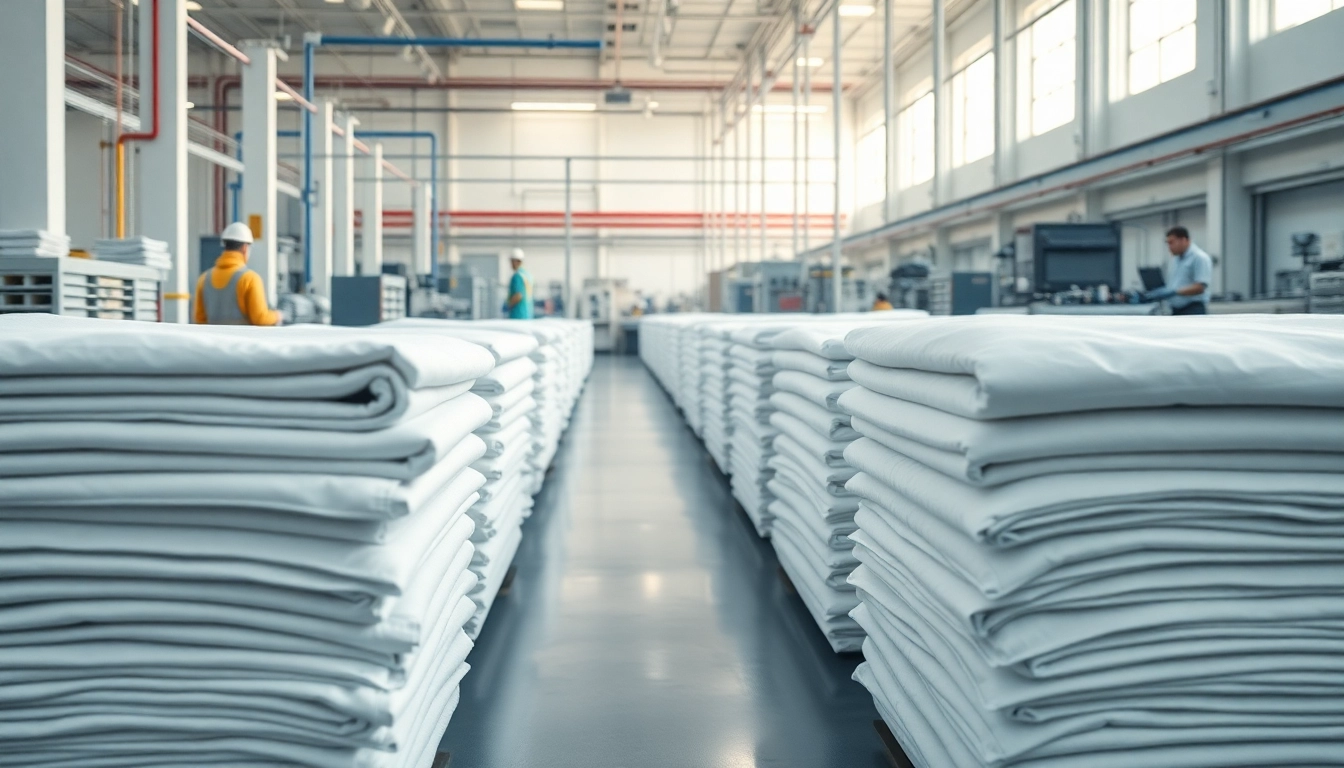
The manufacturing of fire blankets involves several key processes, which ensure the final product meets safety standards and performs reliably. The typical steps include:
- Material Selection: Choosing the right fire-resistant fabrics and backing materials is crucial for effectiveness.
- Weaving: The selected materials are woven into a blanket form, ensuring the fibers are tightly interlaced for maximum fire resistance.
- Cutting and Sizing: Once woven, the material is cut to size based on applications, from small home safety blankets to larger variants for industrial use.
- Finishing: This may include treatments to enhance flame resistance and the application of labels and packaging.
Quality Control Measures
Quality control is vital in the fire blanket manufacturing process. Measures may include:
- Material Testing: Analyzing raw materials for thermal stability before use.
- Product Testing: Each batch of blankets is subjected to fire tests to ensure they meet required safety standards.
- Inspections: Regular inspections during the manufacturing process help in identifying defects early.
Environmental Considerations in Manufacturing
Given the importance of sustainability, many fire blanket factories implement eco-friendly practices, such as:
- Using recyclable materials for packaging and products.
- Adopting energy-efficient production methods.
- Minimizing waste generated during production through optimized processes.
Safety Standards and Compliance
Industry Regulations for Fire Blanket Factories
Manufacturers of fire blankets must adhere to strict regulations set by safety organizations, which include compliance with local and international standards. Key regulations may involve:
- ISO Standards: These standards dictate the quality and safety benchmarks for fire safety products.
- EN Standards: European standardization ensures that products meet performance criteria in fire scenarios.
Certifications to Look For
When purchasing fire blankets, consumers should look for specific certifications that indicate safety and reliability. Common certifications include:
- UL Certification: Underwriters Laboratories certification marks that a product meets rigorous safety standards.
- BS EN 1869: This certification refers to specific mechanical properties and performance under fire conditions.
The Role of Testing in Producing Reliable Fire Blankets
Testing is a fundamental aspect of fire blanket production. It involves subjecting the blankets to various fire scenarios to ensure they extinguish flames effectively. Testing methods may include:
- Flame Tests: Blankets are exposed to open flames to measure how quickly they suppress fire.
- Heat Resistance Tests: Evaluating the blanket’s ability to withstand high temperatures without degradation.
Market Trends and Innovations
Emerging Technologies in Fire Blanket Production
The fire safety market is witnessing technological advancements that enhance the effectiveness of fire blankets. Innovations include:
- Smart Fire Blankets: Integration of sensors and alarms that alert users when they are near a fire hazard.
- Nanotechnology: Using nano-materials to improve the heat-resistance and weight of blankets.
- Enhanced Durability Materials: Development of fabrics that offer both lightweight properties and superior fire resistance.
Consumer Preferences and Demands
As awareness of fire safety increases, consumers are becoming more selective in their fire blanket purchases. Current demands include:
- Product certification for safety assurance.
- Multi-use blankets suitable for various scenarios.
- Eco-friendly materials and manufacturing processes.
The Future of Fire Safety Products
Moving forward, the fire safety industry is poised for growth, driven by regulatory changes and consumer awareness. Anticipated developments include:
- Increased adoption of smart technologies.
- Stricter regulations pushing for higher quality standards.
- Continued innovation in materials to enhance performance.
Choosing the Right Fire Blanket
Factors to Consider When Selecting a Fire Blanket
When deciding on a fire blanket, several key factors should be evaluated to ensure maximum safety:
- Material Type: Choose a material that suits your environment, whether domestic or industrial.
- Size: Ensure the blanket is appropriately sized for potential fire situations.
- Certification: Look for blankets that comply with national standards and come with safety certifications.
- Ease of Use: Opt for a blanket that can be easily deployed in an emergency.
Top Use Cases for Fire Blankets
Fire blankets are versatile tools that can be deployed in various situations, including:
- Kitchens: Essential for putting out grease fires.
- Laboratories: Useful in environments with flammable materials.
- Vehicles: Can be beneficial in cars or RVs where quick suppression is needed.
- Camping: Handy for outdoor cooking emergencies.
FAQs About Fire Blankets and Their Usage
1. What types of fires can fire blankets extinguish?
Fire blankets are effective against small fires involving flammable liquids and electrical fires but are not suitable for large fires or fires involving solvents.
2. How should I store a fire blanket?
Store a fire blanket in an easily accessible location, ideally near kitchens or equipment areas, and ensure it remains folded and unwrinkled.
3. Can fire blankets be reused?
After use, fire blankets should be inspected for damage. If they are intact and not soiled, they may be reused, but it’s best to consult manufacturer guidelines.
4. How often should I check my fire blanket?
Regularly check your fire blanket at least once a year and inspect it for signs of wear, ensuring it remains in good condition.
5. Are there different sizes of fire blankets?
Yes, fire blankets come in various sizes suitable for different applications, from small home use to larger industrial sizes.